Not many visitors are aware of how the run-up to India’s Independence and its aftermath left its deep impression on Delhi’s hospitality landscape.
Delhi was a hotbed of political intrigue, hectic parlaying and much display of pomp and show as the British Raj continued to flex its muscles in the run-up to Independence. At the heart of this action were four premier hotels, which to date are considered some of India’s finest heritage properties. The Maidens Oberoi, The Imperial, the Radisson Blu Marina, The Claridges New Delhi and, are all firmly connected to a time when Indian history was in the making of a new dawn of hope and progress as a sovereign state. Though the country gained Independence from British rule on August 15, 1947, India officially became a fully sovereign, democratic republic on January 26, 1950, when its Constitution came into force.
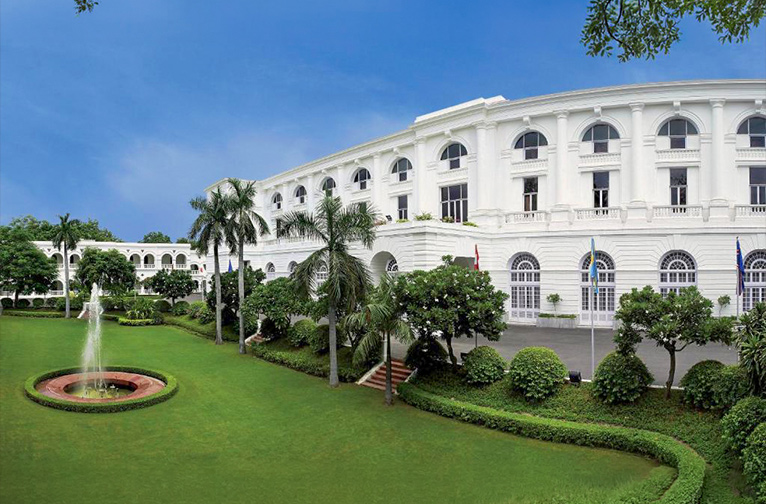
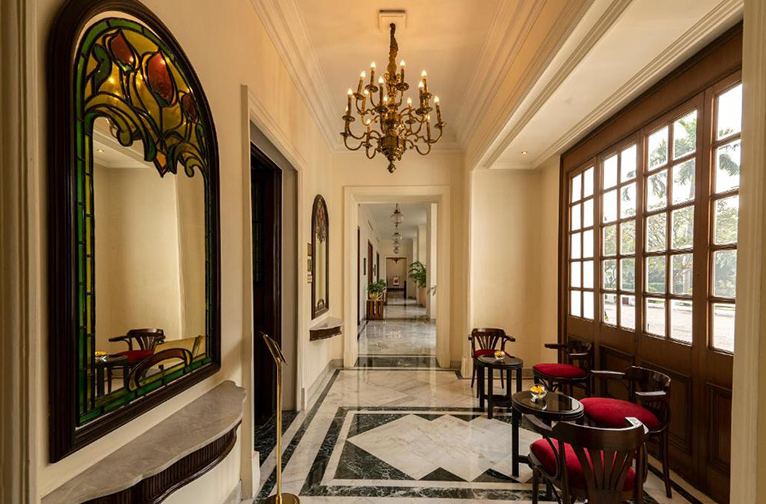
Maidens Oberoi, few are aware, was originally known as The Metropolitan Hotel. Located in the verdant reaches of Civil Lines, a bustling colonial-era hub, it is steeped in the narrative of one of the most dynamic periods of the city’s history. Established in 1903 as one of the first hotels of Delhi and recognized as a Heritage Hotel in 1994, Maidens Hotel is an elegant reminder of the golden age when empires bloomed and the well-heeled and titled used it as a jump-off point for their pursuits in the city. Steered by two Englishmen, the Maiden brothers, the hotel came into existence around 1894. Its present location is attributed to brother J. Maiden, who got off on an excellent start from its opening in 1903. He was well positioned to leverage the hectic action inspired by the comings and goings of the elite during the 1903 Coronation Durbar organized by the Viceroy of the time Lord Curzon, to celebrate the coronation of Edward VII as Emperor of India. It goes without saying it was the most expensive hotel around. Legendary Raj-era architect Edwin Luyens is said to have stayed here while planning the development of the Raj’s imperial capital, NEW DELHI. The European -style edifice was originally red in colour; later it was to acquire the pearly white façade which contrasted so beautifully with its expansive emerald verdure where peacocks call and birdsong fills the air.
A gentle restorative element has upgraded the property to move with the times, yet it still retains its timeless elegance and serene mood in an uncrowded setting on Sham Nath Marg, in the Civil Lines. Named after the British Viceroy Lord Curzon, The Curzon Room is a fine dining space awash with archival photographs from the 1900s climbing the walls. The Cavalry Bar with its well-stocked tipples of cocktails and assorted elevating beverages will stoke your nostalgia of a bygone era, fraught with intrigue and action. In 1934, the property was acquired by Rai Bahadur Mohan Singh Oberoi, who founded the Oberoi Group. The Maidens Hotel embraced its old-world charm and aesthetics, remaining a link to Delhi's past. In 1994 the hotel was officially acclaimed as a heritage hotel.
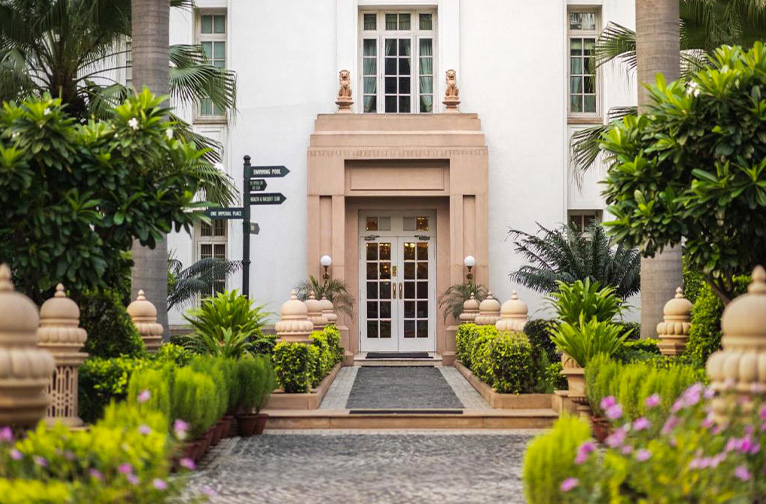
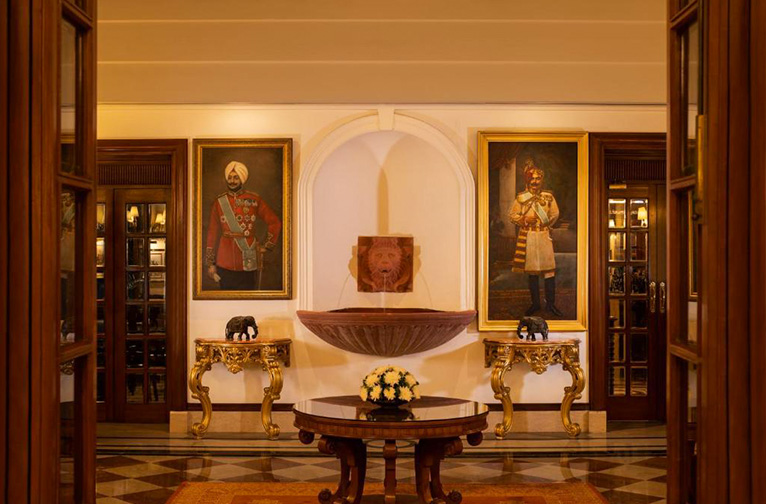
The Imperial, straddling the elegant vistas of Queensway, now Janpath, holds the highest standards of luxury and quiet ease in this bustling national capital. It was at the behest of Viceroy Lord Willingdon that Ranjit Singh, a big contractor in the city, took on the challenge of building the city's first big luxury hotel. This was in 1936. It became a landmark property in the newly established commercial-cum-residential space of Connaught Place, conceived by Raj architect Edwin Lutyens. A grand ball, attended by 15,000 elitist guests, marked the inauguration of the hotel, by no less a personage than the Viceroy himself. His wife, Lady Willingdon, who was known to often clash with Lutyens, played a pivotal role in directing the persona of its interiors. A divine blend of colonial and Art Deco styles.
The Imperial retains its elegant mood long after those early protagonists, who played their role in its early days, vanished from the stage. It was the city’s first hotel built in the style of downtown hotels in America and the tallest building in New Delhi those days. The mood was distinctly anglicised with weekly dances and high-octane socialising with civil servants, army men and Indian princes stepping up the atmospherics. The Imperial played its own little part in the confabulations on Partition led by Pandit Nehru, Mahatma Gandhi, Muhammad Ali Jinnah and Lord Mountbatten. Today The Imperial continues to propel its image as a primary hospitality venue in the ‘Land of the Maharajas.’ With its regal interiors and classy dining spaces and state- of-the-art spa and fabulous era art collection it remains one of New Delhi’s most significant heritage experiences. If stones and greens could talk, what stories they would share! The 24 heritage royal palms along the driveway have silently watched the comings and goings of the elite and the well-heeled, royalty and dignitaries from home and abroad, for decades on end.
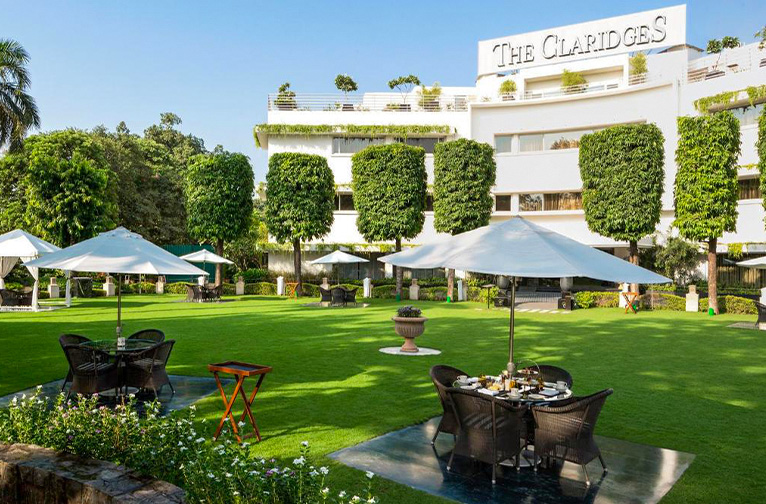
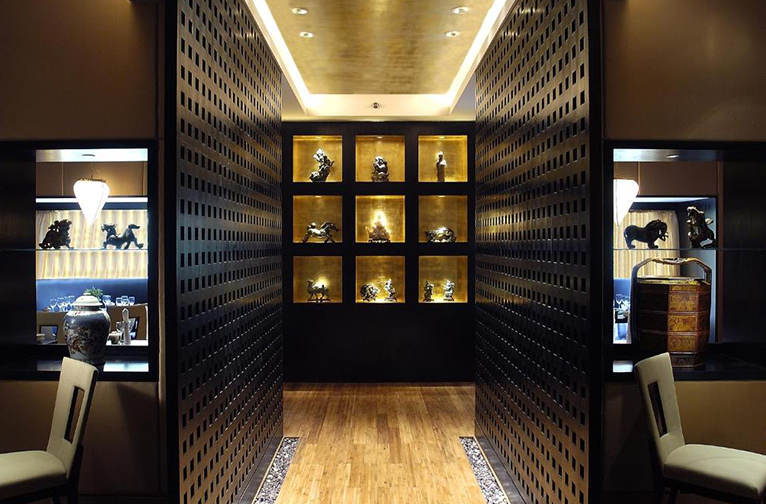
The Claridges New Delhi sits in elegant ease amidst three acres of lush lawns and landscaped gardens. The three-tiered confection is a picture of serenity and understated style. The hotel was conceived as a symbol of refined hospitality and luxury in post-Independence India and has continued to host dignitaries, business leaders, and cultural icons down the decades. Built in 1955 and defined by the vision of its original architects Crofton & Benjamin, evidence of an elegant fusion of colonial architectural influences and subtle Art Deco nuances. The structure is awash with high ceilings, grand and formal interior spaces. The interiors, richly accented with historical artworks of royal India, are a significant reminder of its days as a much sought-after hotel in that historic era. Savouring its prestigious location on Aurangzeb Road in the heart of Lutyens’s Delhi, it features two wings.
Over the years it has ably leveraged its beautifully appointed Raj-era style guest rooms, seven restaurants, a shopping arcade, health club and art galleries and an outdoor swimming pool, for a growing clientele from home and abroad. Its prime location offers easy access to Delhi’s business districts, diplomatic missions, shopping centres and historical landmarks such as India Gate and Rashtrapati Bhawan. The hotel offers a wide choice of accommodation ranging from well-appointed, deluxe rooms to luxury suites, some with their own private terrace. The rooms are amongst the most spacious in Delhi and are a blend of classic and contemporary styles. Culinary options are one of its most beloved features today. Dhaba recreates the rustic charm of Punjab’s roadside eateries with authentic North Indian fare. Pickwicks is a “Cuisine Without Borders” multi-cuisine restaurant blending global influences. At Jade you can enjoy the classic flavours Chinese-Cantonese delights restaurant rooted in classic flavours. Sevilla is a huge draw as a Mediterranean lounge with indoor-outdoor dining. It also features one of Delhi’s oldest bakeries, Ye Old Bakery.
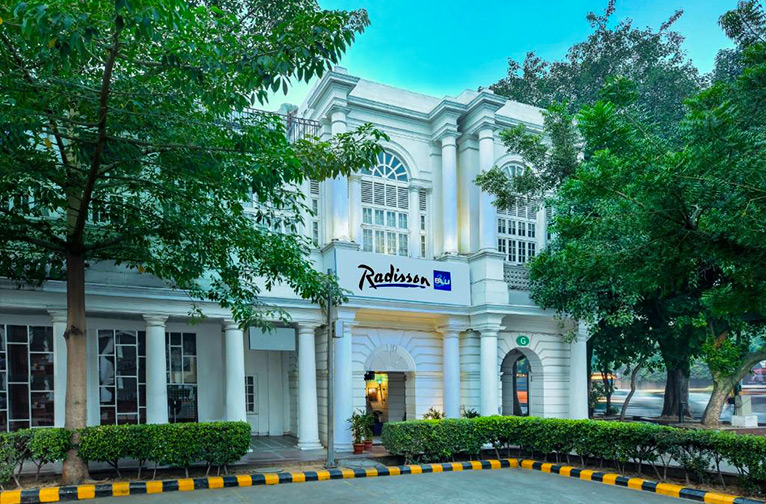
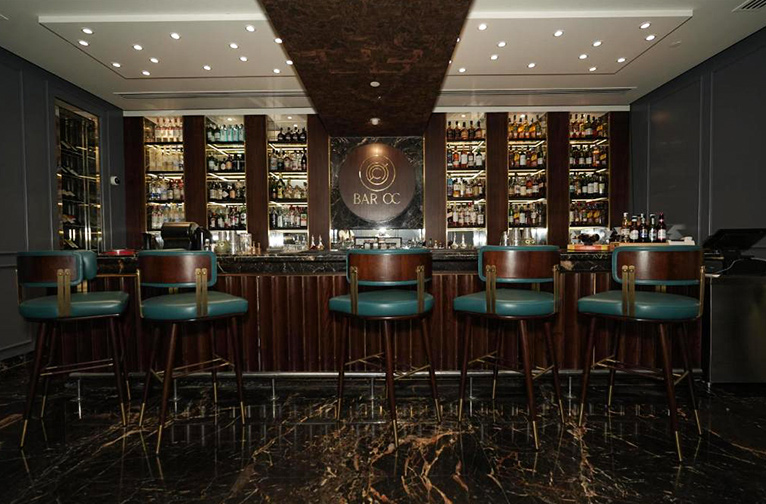
The Radisson Blu Hotel Marina, earlier the Marina Hotel, has an irreplaceable spot in the city’s history. Dating back to 1934 when it was built by the Japanwala family it boasted just 46 rooms. Located in Connaught Place the hotel changed hands and was managed by an Italian family till the early 40s, who quit India during World War II. Eventually it was taken over by businessmen Sardari Lal and Girdhari Lal from Delhi. It is now under a franchise arrangement with the Radisson group as a fully restored 4-star boutique hotel. The property boasted a massive ball room and a huge garage and a mass of servant quarters. But what most people don’t know amongst its early guests was no less a persona than Nathu Ram Godse, and his cohorts who secretly plotted the assassination of Mahatma Gandhi, at Birla House in January 1948. On January 17, bearing false names he and Narayan Apte moved in unobtrusively into Room 106 to fine-tune the plan of the foul deed. The original room now no longer exists, post the rehaul of the property. Today corporate travellers enjoy the hospitality of the boutique property with its well-appointed rooms and suites and savour the delights of the very popular The Great Kabab Factory.
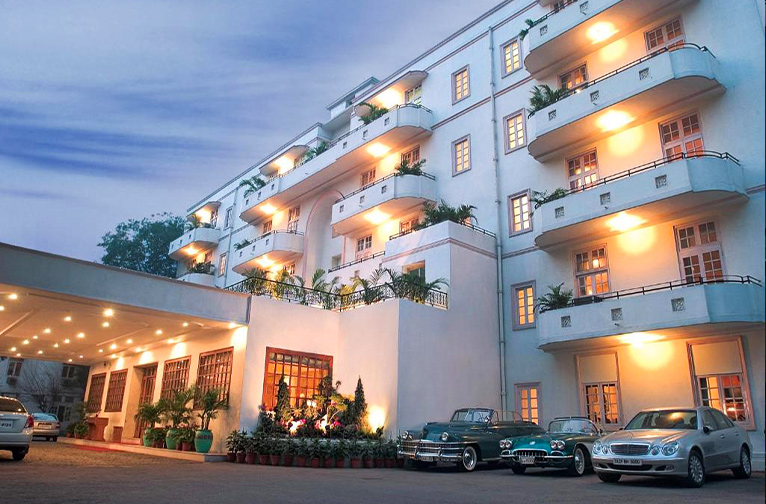
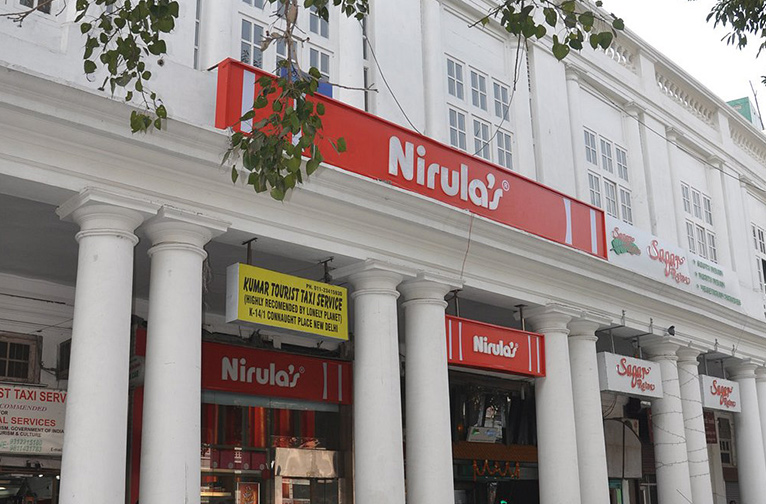
Some other hotels which have made a name for themselves in this nostalgia landscape are The Ambassador Hotel, in Sujjan Singh Park, adjoining that popular shopping and culinary hub, Khan Market (established first as a colony for refugees from Partitioned Punjab). The other is the Nirula Hotel, which opened as Hotel India in Connaught Place in 1934, and went on to build the iconic Nirula ice cream parlour and chain of restaurants.