The Spotted Cat and the Rabaris— A Divine Connection
In Rajasthan a unique story has been quietly unfolding, reminding you that there is more to it than its historic monuments, sumptuous palaces, bustling bazaars and the carnival pageantry of its festivals.
Not very far away from Udaipur (2.5hrs), that romantic getaway of fairytale palaces and tranquil lakes, lies a wilderness world of raw beauty and deep silences. It is a world where you will also encounter a slice of Rajasthan’s exotic tribal heritage.
Sequestered in these hushed environs lies the unfenced Jawai Leopard Sanctuary, which has scripted an unusual narrative. Now captured in the lens of the world is the story of how the spotted beast has cemented an unimaginable bond of cohabiting peacefully with the Rabari tribal community, in its daily life.
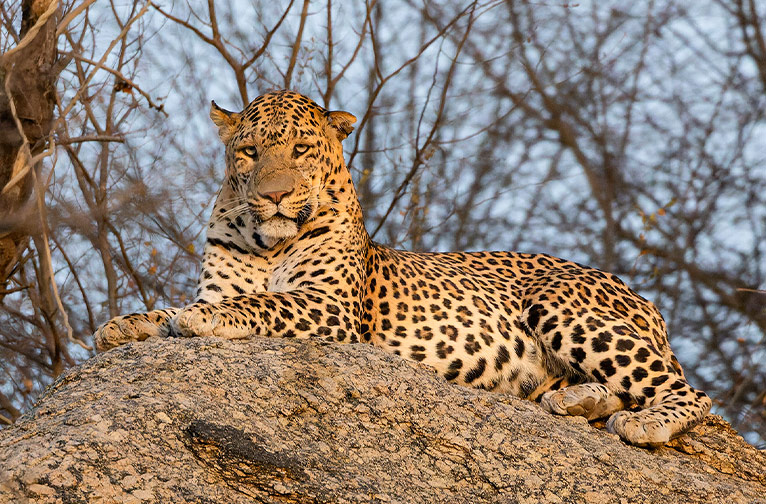
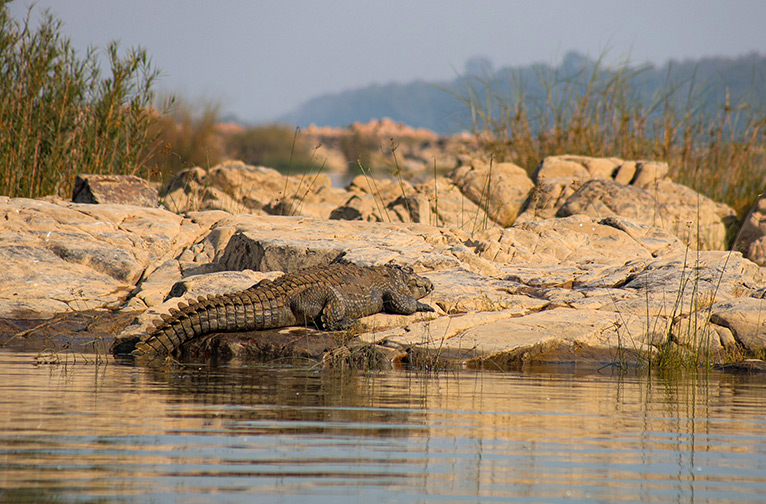
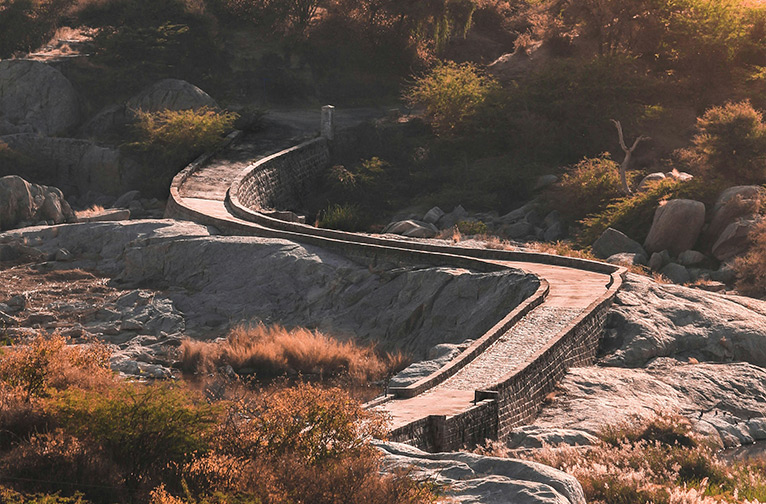
Located in Pali District Jawai is nestled amidst the undulations of the weathered Jawai Hills, a legacy of the cooling lava of some long forgotten volcanic upheaval in the hoary past of this region. The uncrowded landscape, in the over 1.5–2 billion years old Aravalli Range, is punctuated by scrub forests, open grasslands, and seasonal wetlands, fed by the waters of the Jawai River, an arm of the Luni River. Scattered amongst the granite hills are a medley of natural caves and rock shelters, which have long served as home for the resident leopard community. The lazy 102,315-acre rugged sprawl of Jawai Bandh is punctuated by these ancient caves and sheltering cliffs, and ancient temples, set in the rocks, rising high above the valley floor. The sun’s rays, at sunrise or sunset, pick up the sheen of copper, gold, and rust on their granite surfaces, making it a magical sight not to be missed! They fall on the golden eyes of the spotted beast lolling on a rocky outcrop, reflecting that never to be forgotten mystical moment.
Jawai, or Jawai Bandh, is so named after Maharaja Umaid Singh of Jodhpur who built a bandh over the Jawai River in 1957. This untouched, wilderness is a compelling otherworldly experience for even the most jaded traveller.
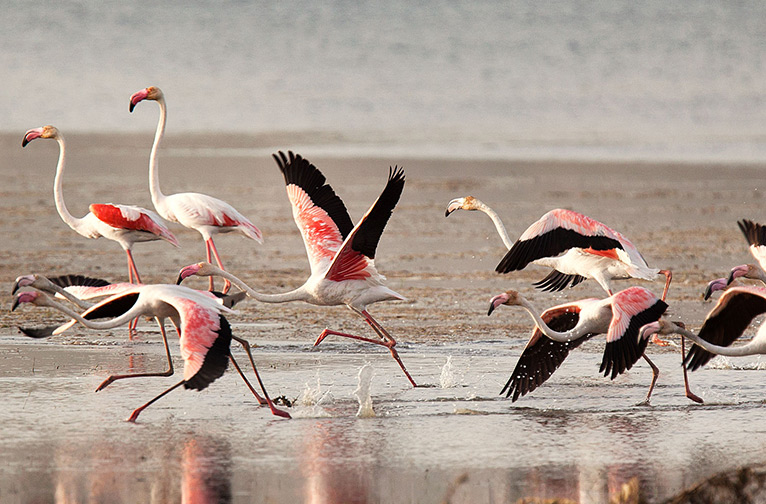
Visitors will be thrilled for some unique birding experiences as the wetland, in the winter months, pulls in masses of migratory birds, including Demoiselle cranes, Bar-headed geese, Greater flamingos and Dalmatian pelicans. There are plenty of domestic species as well to keep your camera lens busy.
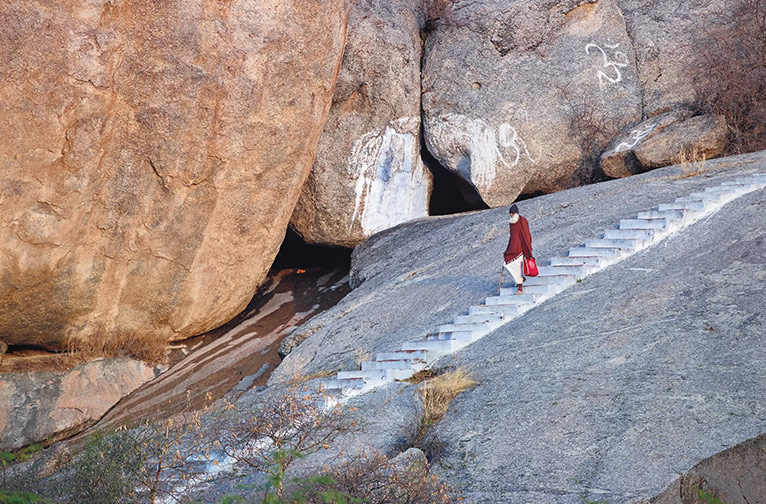
But where else will you see leopards and the local community going about their daily business in complete amity at such proximity? It has been so for centuries---not just today. A pandit calmly climbs the flight of stairs leading up to the old Perwa Shiva Temple, silently observed by the leopard sitting on a step a little ahead. The priest conducts his puja without fear under the watchful gaze of another leopard, nestled close to the deity in the sanctum. Returning, he looks around and finds a few more, sitting sphinx- like on the warmth of a sunny ledge on a crisp morning. Bera is one of the best places to catch leopard sightings in the area.
How can this be, you may well ask. For centuries the Rabari tribals have grazed their livestock in the pasturelands amongst these hills. It appears that for them, the leopards, who have always been there, are the guardians of the temples. Rabaris are devotees of Lord Shiva in his local manifestation as Devgiri Pabuji. Apparently there has been no known incidence of an attack on human life for over a century and a half. The occasional dog or goat stolen in the dark of the night is just a small offering they pay to this messenger of Shiva who keeps watch over them— it’s also seen as a balancing act of Nature. For the leopards this is home country; undisturbed by the locals they go about raising babies, hunting, surviving—just leading their natural lives in a stress-free wild habitat.
For wildlife buffs, Jawai Bandh offers a fabulous wilderness experience as it is considered to also support the high density of leopards. What makes it even more exceptional is in the manner in which they have made this world their own, within the embrace of human habitation.
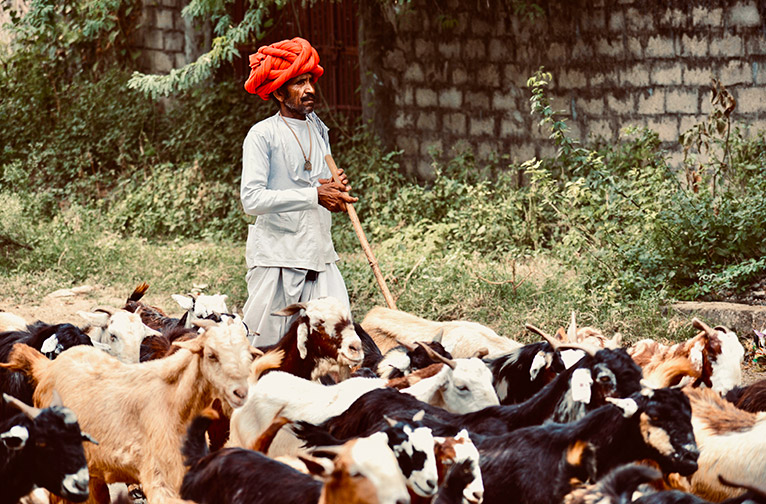
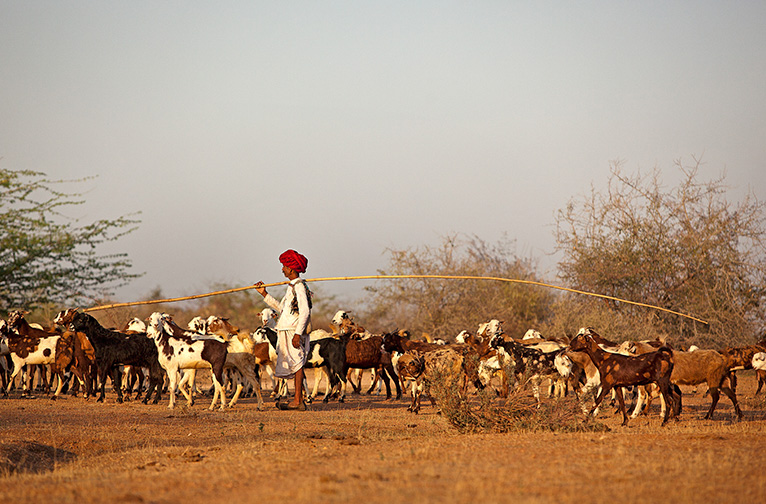
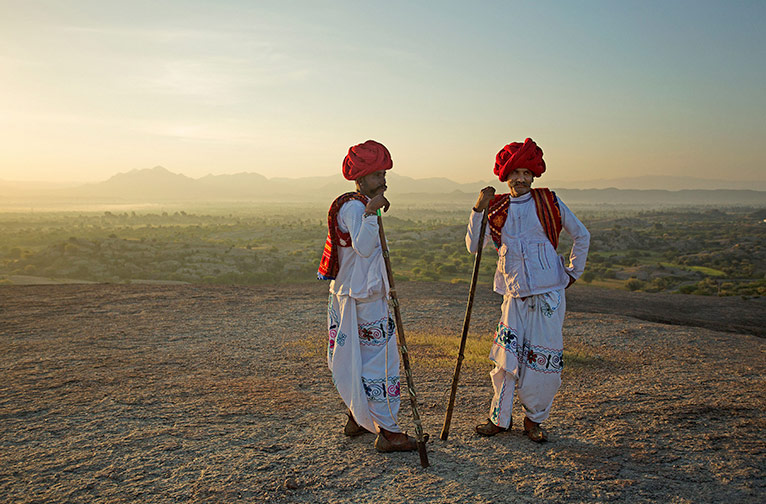
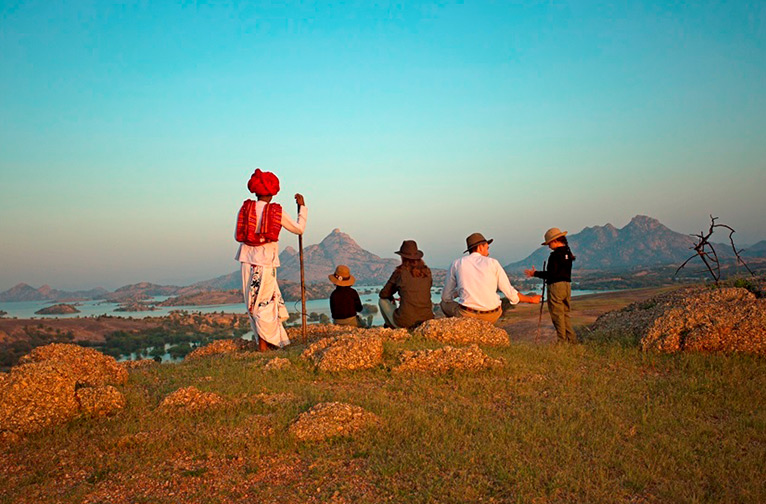
Jawai has been home to the community for centuries. Semi nomadic by nature, a sizable number of these skilled herders have made the area their home over time. The very name Rabari means one who wanders, reflecting their nomadic lifestyle. A stay at Jawai offers a fabulous opportunity to delve into their world. Remarked for their richly and intricately embroidered flowing skirts, odhnis and silver ornaments for the women, and elaborate red turbans, teamed with white dhotis and long kurta-like tunics for the men, their arresting looks compel one to dig deeper into worldview. They live in mud-packed homes, which are cool and comfortable even on the hottest day. Along with many traditional practices and beliefs the Rabaris have a rich oral repertoire of songs, and folklore, a vibrant part of their ancestral legacy.
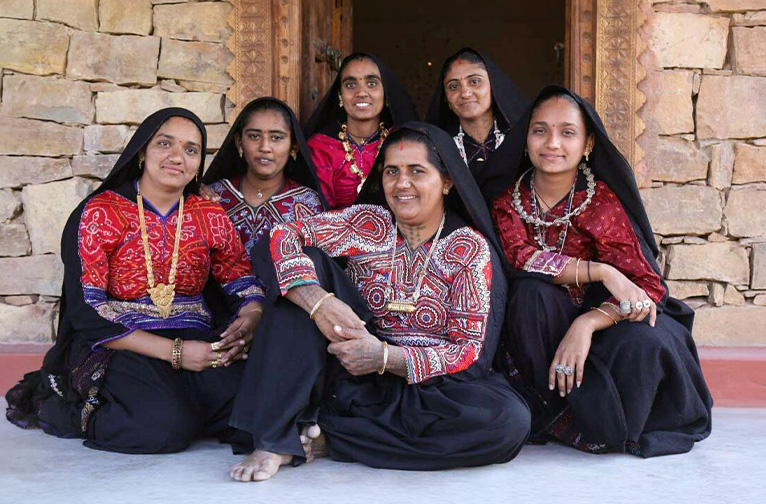
Goats, sheep and camels have long served as economic support, propelling their custom for dairy produce, sold at villages and towns along their routes. Additionally, the women are expert embroiderers and are also noted for their superb needlework in rendering mirror work. Today these are showcased in contemporary avatars such as jackets and cholis, wall hangings, cushion covers, bags and the likes, routed through several NGOs keen to help them preserve this precious legacy and share it with a wider world.
While the open-jeep safaris are definitely a highlight for almost- guaranteed leopard sightings, interfaces with the tribals must be a given. You can opt for guided walks through traditional Rabari villages, also known as Dhanis; don’t miss the mud bound houses, the traditional farming practices, and textile expressions. If you are feeling extra adventurous you can even join the men on their grazing routes.
The leopards definitely are the lead protagonists of this story. But for the culture buff what also stands out is the human story— of the Rabari tribal community. This pastoral community has a deep connection with nature and its wild inhabitants— in this case the leopards who have become an integral part of their world at Jawai Bandh. The spotted beasts were there first— and the recognition and respect of this reality has played a vital role in this mindful harmonious co-existence.
Right away what blows you over is that the Rabaris don’t consider the leopards to be a threat, rather they view them as their protectors. These wild beings are inextricably linked to their local deities.
This inviolable relationship is the very heart of the Jawai Bandh story.