Thank God India’s Northeast region is getting a long overdue spotlight for its contribution to our arts and crafts heritage. For decades on end this immensely rich region has been ignored largely for its remote location. But gamely it has fought back, and its youth has been leading the charge to be heard and seen…be it for its music, its presence on international catwalks or through pop-up showcases of its unique arts and crafts.
The festivals too, such as the Ziro Music Festival (Arunachal), Hornbill Festival (Nagaland), Bihu Festival (Assam), Wangala —the Garo '100 Drums' harvest festival (Meghalaya) Chapchar Kut the bamboo dance festival (Mizoram), the Shillong Cherry Blossom Festival (Meghalaya) and the recent White Owl Literature & Book Festival (Nagaland), have played a crucial role in drawing attention to the wonders of the Northeast.
The Northeast is on a roll. Sikkim recently became the world’s first fully organic state. Assam was listed fourth by The New York Times in the 52 Places to visit in 2025. Shillong ‘The Scotland of the East’ in Meghalaya topped Skyscanner’s list for most trending destinations in 2025.
The Northeast region with over 220 ethnic groups has an equal number of dialects across Arunachal Pradesh, Assam, Manipur, Meghalaya, Mizoram, Nagaland, Sikkim, and Tripura. It is home to about 160 major Scheduled Tribes and 400 minor tribal and sub-tribal clans and groupings.
The diverse tribal communities spread across the eight states of the Northeast are immensely enriched by their shared cultural similarities with Southeast Asian nations. They have long turned to nature as a resource for their utilitarian needs and livelihood. The region is rich in cane, bamboo, timber, silk, clay, and natural fibre. Can you imagine the astonishing richness of the cultural legacy and crafting heritage this diverse populace has protected down the decades? This has transformed it into an immensely important eco-centric hub for the handloom and handicraft products, driven by generations-old skills.
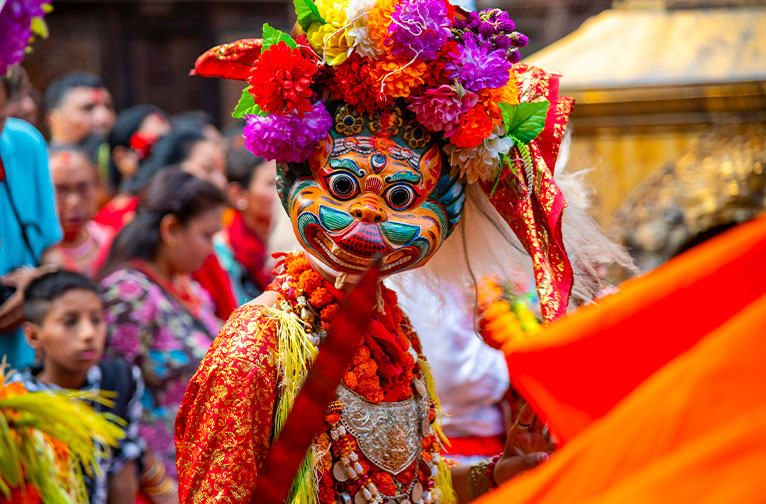
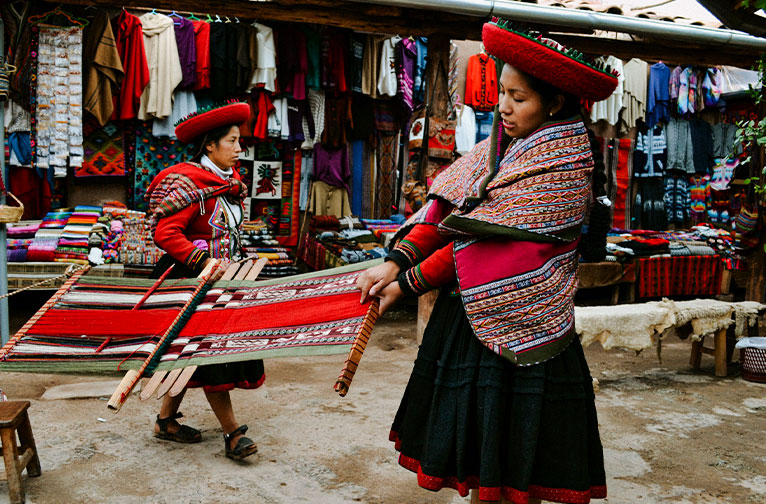
The Monpas of Arunachal Pradesh are skilled weavers, but they are also known for making indigenous hand-crafted paper from plants found deep in the forests. If you are attending the fabled Tawang Festival check out the carpets, masks, tangkas etc on sale at the crafts shop at Bomdila. The Apatani people are also experts at weaving; pick up a shawl or colourful jacket; handmade paper they make from the bark of the Daphne Botanica plant is a great memento for folks back home.
Assam is not just about its wondrous teas; it’s also been revered for its gorgeous silks. Muga, the golden silk, is exclusive to the state. Assam also produces the paat variety of silk; eri/endi is used in the manufacture of warm clothes including shawls, quilts and the like.The geometric design and bold colour weaves of the Mishing tribe of Majuli Island are held dear by many young Assamese girls for festive occasions. Bamboo and cane furniture, and handicrafts do brisk business. Pick up a beautiful bisoni hand fan crafted from bamboo. The introduction of pani metaka or artefacts such as bags, mats, coasters, trays etc made of water hyacinth fibre, has received much acclaim for their eco-friendly nature. Pragjyotika, the Assam Emporium in Delhi is a great place to explore.
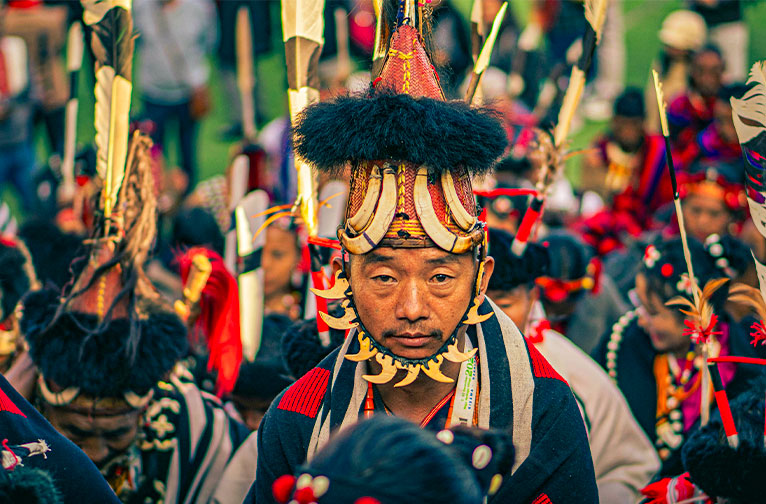
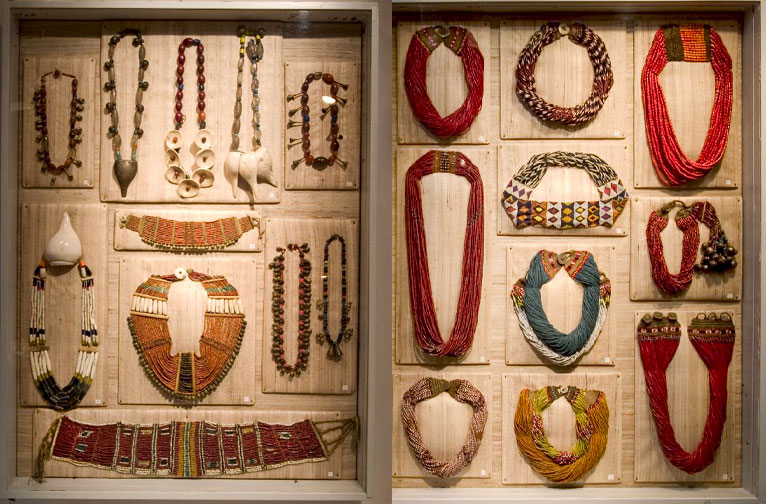
Each of the 16 odd tribes of Nagaland can easily be distinguished by its unique costumes, jewellery and the beads worn by its people. If you are attending the Hornbill Festival keep a look out for the shawls worn by the local attendees. These are richly symbolic, not a mere wrap against the cold. The Naga shawl is a wondrous showcase of the distinctive identity of each tribe replicated beautifully in the form of special patterns and motifs and even certain ceremonies. Were you aware that the weave and patternisation also indicate the social status of a man? Amongst the Angamis the most common pattern in these social shawls is Lohe, featuring red and yellow bands on black cloth. The shawls of the Lotha people are woven into a graded pattern; a series of shawls indicate the gennas an individual has performed. Gennas are for ritual and customary observances conducted by individuals or single households. An Ao warrior’s shawl features the highly symbolic mithun, tiger or elephant motif. The Nagas are also renowned for their wood carving. Did you know that they have always made earthen pots by hand. They don’t use the wheel. Go exploring at leisure at the Nagaland Emporium in Delhi.
The Panthoibo Manipur Emporium in Delhi offers a fascinating range of handcrafted items and handlooms. Unmissable souvenirs are the unique phak (mats), cushions and even bags, woven out of the spongy kauna reeds found in Manipur’s wetlands and marshes. Silk dupattas with hand embroidery and inexpensive cotton and woollen scarves featuring typical Manipuri designs in red, white and black are great for gifting. Manipur is also famed for its unique black pottery, also known as Longpi pottery made from a mix of clay and serpentinite rock by the Tangkhul tribe from Nungbi village.
Tripura is a unique destination in the Northeast and has a long history of bamboo and cane craft. Check out the offerings, which include table mats and runners, trays, stools, chairs and tables, at the Purbasha Tripura Emporium in Connaught Place in Delhi.
The famous puan of Mizoram with its intricate weave in many colours has been reimagined by young designers for a contemporary market. Pick up a water-proof Mizo hat (khumbeu) or mackintosh made with bamboo and leaves. Mizoram participates in various events and exhibitions held at Dilli Haat throughout the year. Its food stall is a big hit with visitors.
The Store, Meghalayan Age, a one-stop market space near the emporia complex stocks a varied mix of curated products like the Sung Valley’s Black Clay Pottery, Ryndia silk (known as eri in Assam) and agri-products such as Lakadong turmeric, wild forest honey, Sohiong jam, and other locally grown spices, grains, and herbs. Ryndia silk and Khasi handloom received Geographical Indication (GI) status recently.
For those who can’t fit in a trip to explore the region, you can explore popular tourist hubs such as the state emporia and the Central Cottage Emporium in Delhi.
PURBASHREE.COM, the product sales and ecommerce division of North Eastern Handicrafts & Handlooms Corporation Ltd. (NEHHDC), offers a range of products from all the eight North Eastern states. The organisation procures handicrafts and handlooms from artisans and weavers across the region and retails the same through its chain of “Purbashree” Emporia located at New Delhi, Kolkata, Bangalore, Shillong, Guwahati, and a Sales Promotion Office at Chennai.
If you do manage a trip to, say, Sikkim for a trek, do visit the Directorate of Handicrafts and Handloom in Gangtok where you can watch craftsmen showcasing traditional skills such as weaving, woodcarving and thangka paintings. Stock up on hand-woven carpets, blankets, shawls and carved, magnolia-wood tables (chokse) with Tibetan designs. Other goodies to add to your loot are Lepcha-weave bags, purses, leatherware, woodwork, Sikkimese dresses, Sikkimese spirits and liqueurs. Pick up the famous silver ‘Dragon Rings’ available with most jewellery/souvenir shops.
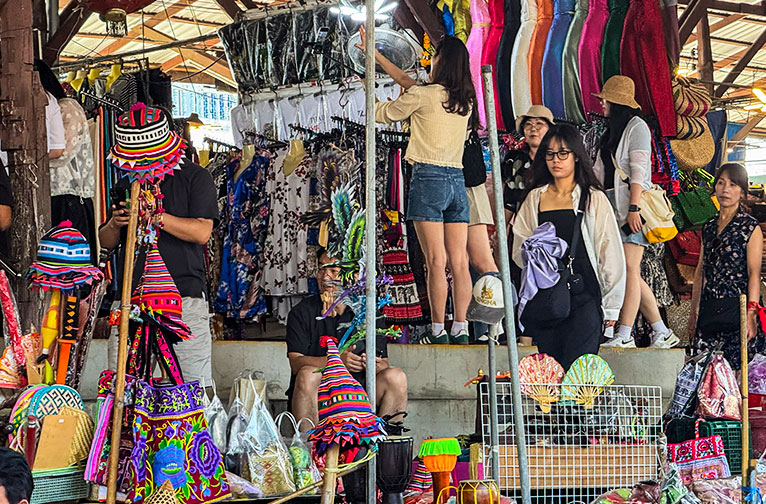
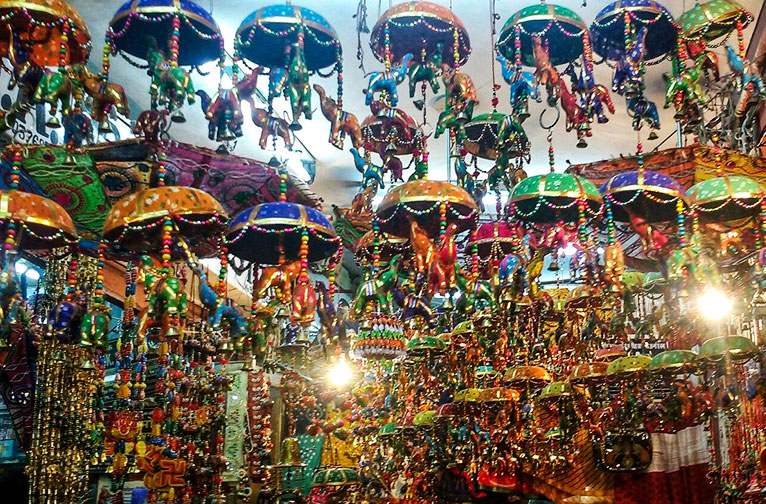
Planning a wildlife tour of Kaziranga? Check out Fancy Bazaar and Pan Bazaar area at Guwahati. Most emporia are located here. In Shillong for a summer retreat? Head for Bara Bazaar. Attending the fabulous Hornbill Festival in Nagaland? Set aside time to visit the Nagaland Handloom and Handicrafts Development Corporation in Kohima which offers traditional Naga woollen shawls, mekhlas and handicrafts made of wood and bamboo. Check out Gurtel boutique for traditional and contemporary fabrics and designs, handicrafts etc.
The immeasurable splendour and variety of the North East’s art and crafts legacy will surely inspire you to jump at any opportunity that arises to explore this fantastic region.