An unmissable experience of Spring in India is the manner in which this annual festival is celebrated in Punjab on 14th April. Marked by the effervescence of the Punjabi spirit Baisakhi or Vaisakhi, welcomes the bringing in of the spring harvest of the rabi crop, in all its vibrancy with joyful thanksgiving. The festivities are marked by devotional practices and lively community gatherings on Punjab’s biggest festival which also celebrates the founding of the Khalsa Panth.
Baisakahi festivities in Punjab are layered with rich meaning. For those of you who don't know, it also marks the Sikh New Year and reminds us of that pivotal moment in time—the creation of the Order of the Khalsa in the year 1699, by Sikh Guru Govind Singh, the 10th and last Guru of the Sikhs. This baptismal ceremony or Amrit (nectar) ceremony, which took place in the sacred spaces of Takht Sri Keshgarh Sahib near Anandpur, opened a new chapter in the annals of Sikh history and India at large. It was a moment when the spiritual and the material world were fused forever in the minds of the Sikh community.
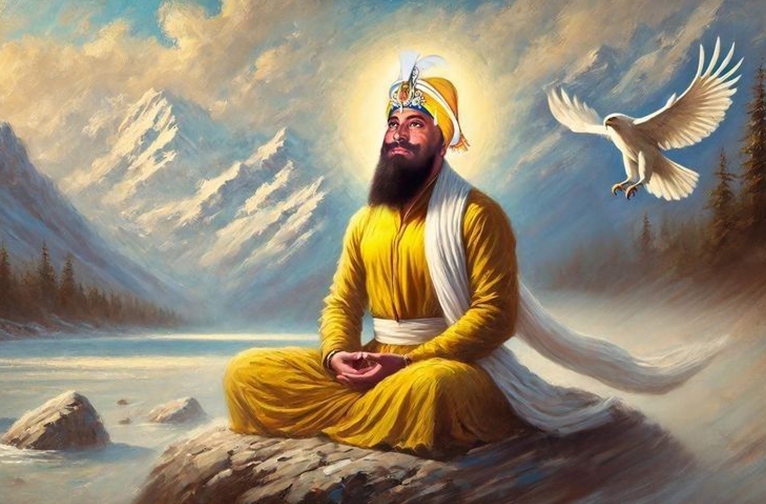
It was on the auspicious day of Baisakhi that Guru Gobind Singh chose to create the Khalsa Panth. This special commonwealth of saint soldiers (sant sipahi) was established by the revered Guru to herald a new world order empowered by integrity, commitment, corporate identity, democratic discipline, humanitarian service, concerns for the welfare of all humanity and spiritual endeavour. It formalized the Sikh identity through the Amrit Sanchar ceremony and creation of the Panj Pyare (Five Beloved Ones. The Khalsa was envisaged as a role model to fight against all agencies of socio-political exploitation and to establish rule of law and social dispensation. Guru Gobind Singh, you may recall, trained his followers in the martial arts to resist the enemies, from the Mughals to the hill chiefs, who were hell-bent on decimating any opposition to them in the Punjab.
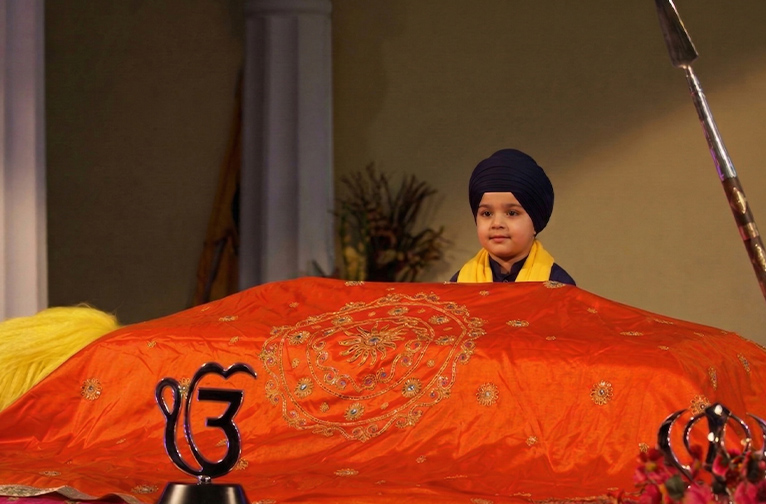
Anandpur Sahib, a vibrant spiritual and cultural hub, significant for its connection with the landmark establishment of the Khalsa order, is a pivotal point for Punjab’s Baisakhi festivities. The celebrations kick off with a grand opening at the Takht Sri Keshgarh Sahib, also known as Anandpur Sahib, where the sacred baptismal ceremony of the Khalsa order first took place. It is marked by prayers and recitations from the holy book of the Sikhs, the Guru Granth Sahib, which is a metaphorical representation of the Sikh Gurus. To this day members of the Sikh community still seek to formally be initiated into the Khalsa order on this auspicious day with the Amrit baptismal ceremony, signified by the partaking of the holy amrit (nectar) water. Henceforth they are also known as Amritdhari Sikhs.
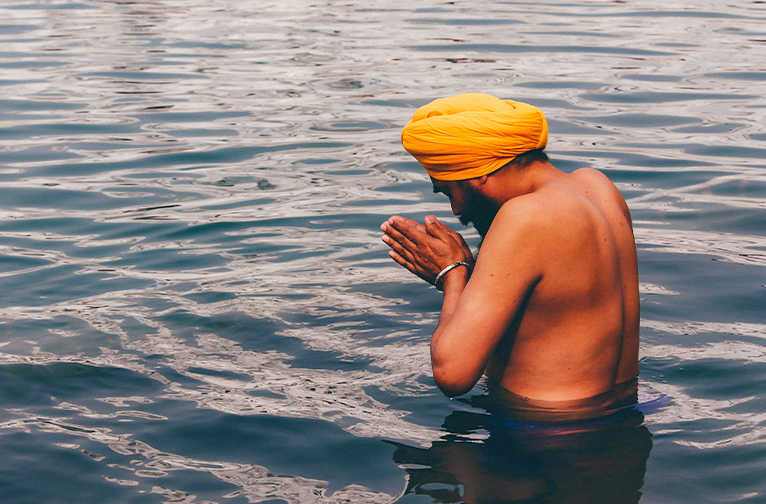
Floral decorations and illuminations at night mark the celebratory mood of the historic Anandpur Sahib Gurudwara. Devotees assemble here in hordes to take a ritual dip of purification, offer prayers and soak in the tranquil peace that descends as they enter this holy space.
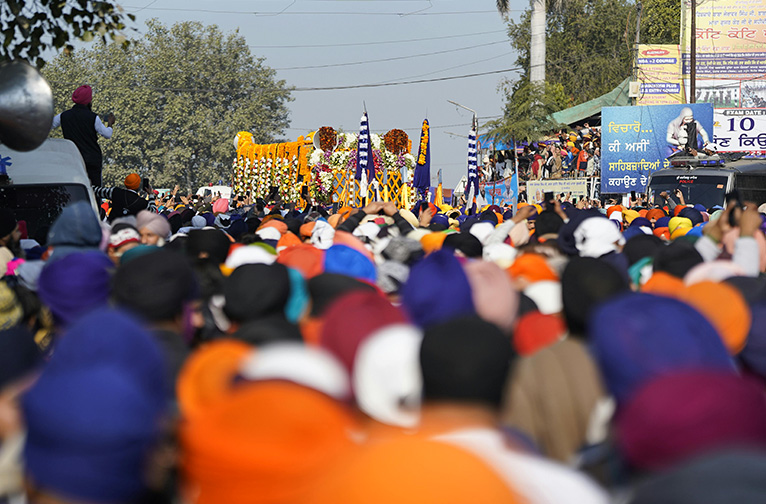
Join the crowd of the devotees as the Guru Granth Sahib is carried in a richly decorated palanquin through the streets led by the Panj Pyare in an elaborate procession (also known as the Panj Pyare Yatra) which is characterised by Nagar Kirtans, reading from the scriptures, and sacred hymns.
Baisakhi also offers a fabulous opportunity to witness the exploits of the elaborately blue/orange-robed Nihangs, traditional warrior Sikhs, as they wow the crowds with their skilled performances of traditional stick fighting or gatka, sword-wielding, and horsemanship. It's a great time to also witness Punjab’s favourite folk dance performances like the electrifying bhangra and gidda.
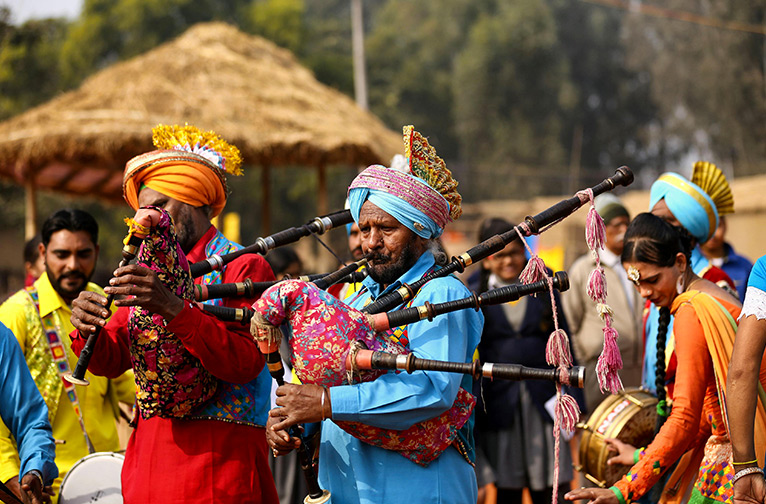
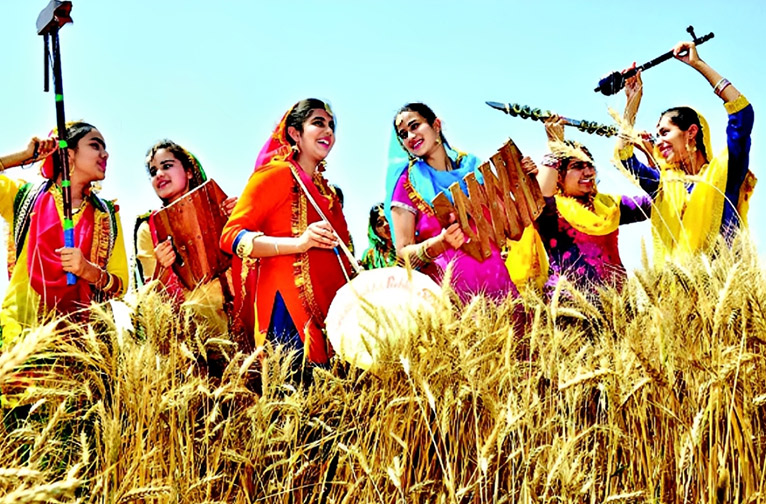
Throughout the day melas packed with food stalls, stalls hawking local handicrafts, and cultural performances, poetry readings and sporting events are hosted across the city. The day-ling langar, or community kitchen, at the Anandpur Sahib Gurudwara is thronged by Sikh devotees who arrive for the celebrations and do darshan, not just from Punjab but from all over the world. The langar is an integral part of the Sikh spiritual traditions which are intertwined inextricably with the temporal world. It offers a vibrant picture of the enduring faith of the Sikh community in kar seva, or selfless service for fellow beings.
Similar scenes are played out at Amritsar’s Golden Temple or Harmandir Sahib. The carnival-like vibe of Baisakhi will draw you into a beautifully immersive experience of the Sikh faith and Punjab’s legendary cultural offerings.
In other parts of the country, this agri festival is also celebrated as Vishu, Bohag Bihu, Poila Boishakh, Meshadi, Vaishakhadi and Puthandu Pirapu.